


Celebrities who have had a hair transplant
October 23, 2026 · By Dr. Evelyn Alfonso
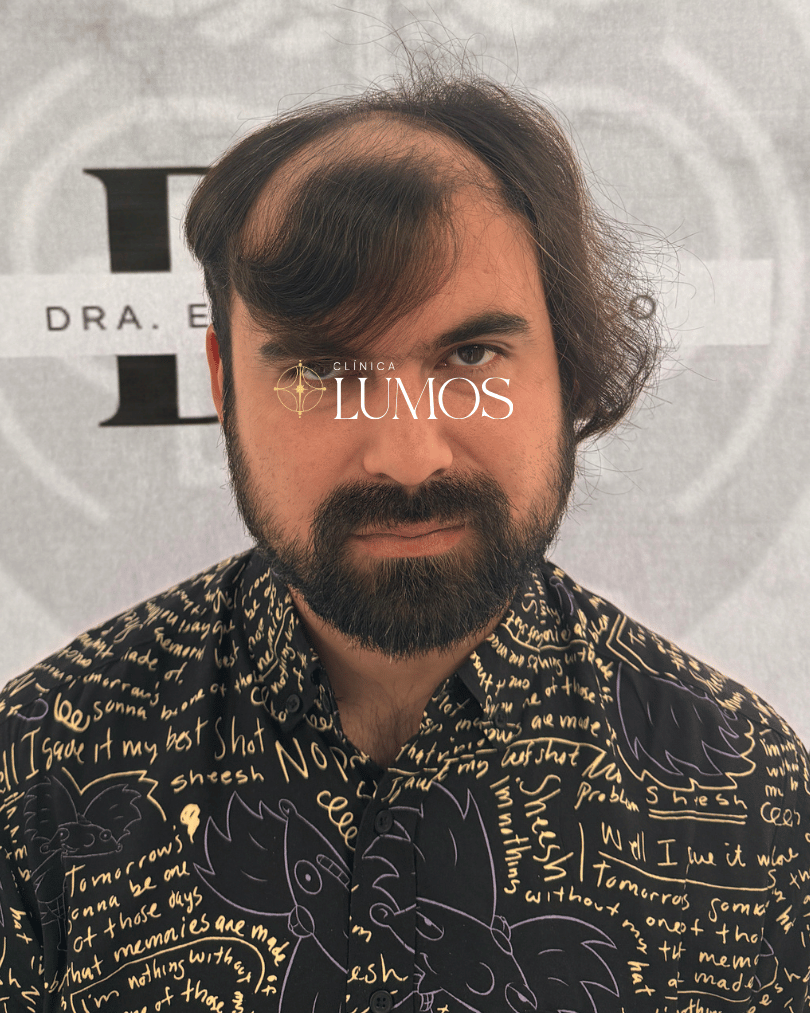
If you are worried about hair loss, you are not alone: even big stars look for ways to feel better about themselves. We see it in this video:
For a long time, talking about a hair transplant was almost taboo. Today, more and more public figures openly say they have had one, and that has helped many people dare to seek a consultation without embarrassment. But behind the headlines there are useful lessons for anyone thinking about treating their hair loss: what the process is really like, how long it takes to see results, and why planning matters so much. In this article we review some confirmed cases and what you can learn from them.
Celebrities who shared it publicly
There are many rumors on the internet; here we only include those who confirmed it themselves:
- Wayne Rooney, former English footballer: confirmed it on Twitter in 2011, with a photo of his scalp.
- Jimmy Carr, British comedian: said in 2020 that he had had a hair transplant.
- James Nesbitt, Northern Irish actor: spoke openly about his two procedures.
- Louis Walsh, producer and TV talent-show judge: joked about it on television.
- Calum Best, TV personality: talked about his procedures in interviews.
The value of talking about it openly
When someone well known says they have had a transplant, something interesting happens: many people feel relief. They discover they are not the only ones worried about hair loss and that looking for a solution is not frivolous at all. Talking about the subject naturally also helps fight misinformation, because it forces an explanation of what the real process is like, with its stages, its timelines, and its limits.
If you are going through this, you don’t need to wait until the hair loss is very obvious to seek a consultation. An evaluation does not oblige you to have surgery: it gives you a diagnosis and lets you decide with information.
Why so many well-known people get a transplant
The reason is not very different from that of any patient. Hair loss can affect self-esteem, the way you look in photos, and the confidence with which you face everyday life. For those who work in front of cameras, that is amplified, but the underlying feeling is the same one many ordinary people experience: wanting to look the way they feel inside.
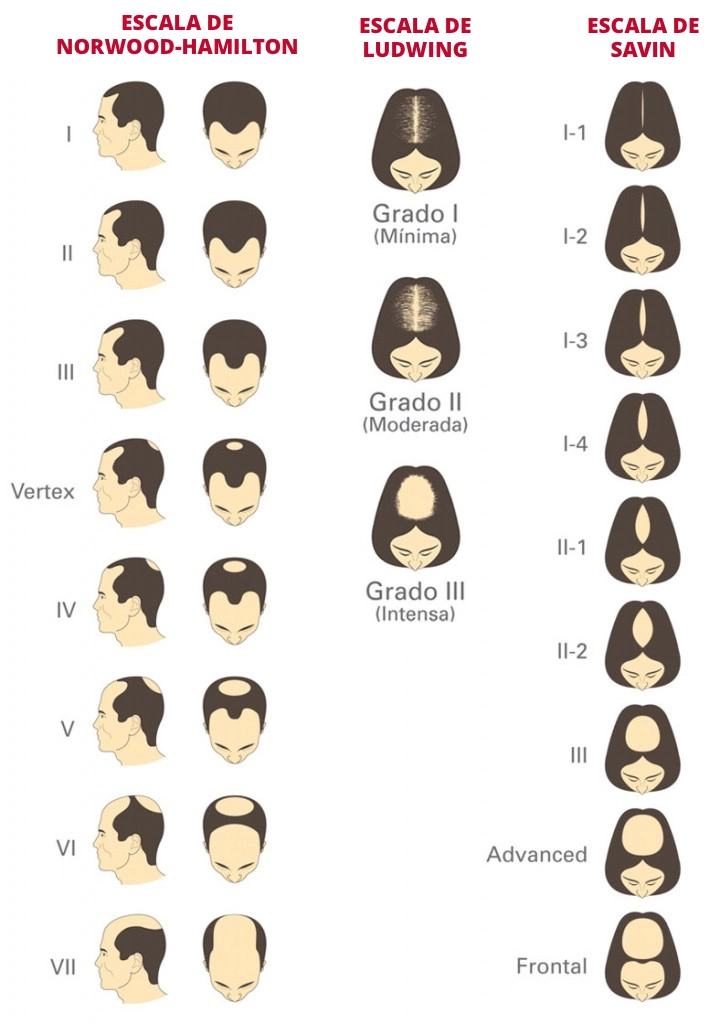
The most common cause of this hair loss is androgenetic alopecia, which has a hereditary and hormonal component. It affects a great many men and also women, although in women it usually presents differently. If you want to better understand your case, see the types of alopecia.
What their cases teach us
- It is more common than it seems and it is talked about more and more naturally.
- Several needed more than one session. If the alopecia keeps progressing, a second procedure may be necessary: that is why it matters to have surgery at the right time and to take care of your native hair.
- The result is not immediate: new hair grows from 3 to 4 months and the final result is seen between 10 and 12 months.
How a hair transplant works
A hair transplant with the FUE technique consists of extracting follicles one by one from the donor area, usually the back of the head, where hair tends to be more resistant to alopecia, and implanting them in areas with lower density. Since those follicles tend to keep the characteristics of their area of origin, transplanted hair is usually long-lasting. Read more about why a hair implant is long-lasting.
In general terms, the process has these stages:
- Evaluation: diagnosis of the type of alopecia and analysis of the donor area, for example with trichoscopy with artificial intelligence.
- Design: the frontal hairline and the areas to be treated are defined according to your face, your age, and how your hair loss could evolve.
- Procedure: under local anesthesia, follicle-by-follicle extraction and implantation. It is an outpatient procedure.
- Progression: the implanted hair usually falls out in the first few weeks, starts to grow from 3 to 4 months, and the final result can be seen between 10 and 12 months. See the progression after a transplant.
What celebrity photos don’t show
It is easy to compare your case with a celebrity’s, but it is worth keeping a few things in mind:
- You don’t see the whole process: public photos usually show the before and after, not the months of shedding and growth in between.
- Every alopecia is different: age, hair loss pattern, hair thickness, and the donor area greatly change the possible result.
- Styling, lighting, and grooming play a part: on television and social media, the image is carefully curated.
- Many combine surgery with treatment: taking care of native hair is part of maintaining the result.
That is why, rather than looking for “a certain celebrity’s hair,” the ideal is to seek the best possible result for you, with your own characteristics.
When is the right time
One of the lessons from these cases is that having surgery at the right time matters. If the alopecia is in a very active stage, native hair may keep falling out around the transplanted area, and that may make a second procedure necessary. In young people, the design must think about the future and not just the present. If you have questions about your case, read at what age a hair implant is advisable.
There are also non-surgical alternatives when there are still active follicles that can be strengthened, such as the Hair Protocol. See how to improve hair density without a transplant.
Signs that it is worth seeking a consultation
Beyond what celebrities do, there are signs that indicate it is a good time for an evaluation: your temples or crown change from one year to the next, you see more scalp in direct light, your hair looks finer, or the shedding continues for weeks. And if the loss is sudden, in patches, or accompanied by itching, pain, or redness, seek a consultation without waiting, because it may be another type of alopecia that requires a different approach.
Tips if you are thinking about a transplant
- Get information from reliable sources and be wary of promises of guaranteed results.
- Ask who performs the procedure: it must be in the hands of a medical team.
- Check where you will have surgery: an authorized operating room is a basic guarantee of safety. Learn about our operating room authorized by the SEREMI de Salud (regional health authority).
- Look at real results at different stages, not just final photos.
- Consider the complete plan: evaluation, surgery, treatment of native hair, and follow-up.
What to ask at your evaluation
- What type of alopecia do I have and how could it evolve?
- What is my donor area like and how many follicles is it reasonable to use?
- Am I a candidate for a transplant now, or is it better to start with treatment?
- How would my frontal hairline be designed, and why?
- Who will perform the procedure, and where?
- What will the follow-up be like, and whom can I write to if I have questions?
The answers to these questions say much more about your future result than any celebrity photo.
Common myths
“Transplants are only for celebrities or people with a lot of money”
Today it is a procedure accessible to many more people than before. The cost depends on each case; you can see what the price of a hair transplant in Chile depends on.
“For a good result you have to travel abroad”
Not necessarily. What matters is the team’s experience, the planning, and safety. Read what to check if you are deciding between Chile and Turkey.
“You can tell it is a transplant”
A well-designed transplant, with a soft frontal hairline and follicles in the right direction, aims precisely to look natural.
You don’t need to travel or be famous
At Clínica Lumos, Dr. Evelyn Alfonso performs FUE hair transplants in Viña del Mar, also without shaving for those who want discretion. See real patient results.
The doctor, trained in the FUE technique in Turkey, Italy, and Barcelona, personally evaluates each case and leads every procedure. The clinic is about an hour and a half from Santiago, pre-operative tests can be taken at the clinic itself, and during treatment you have direct contact via WhatsApp.
Frequently asked questions
Why did some celebrities need more than one transplant?
Because alopecia can keep progressing after the first surgery. If native hair keeps falling out, it may be necessary to complement the result later. That is why it is recommended to plan with the future in mind and to take care of the hair you still have.
How long does it take to see the result?
New hair usually starts to grow from 3 to 4 months, and the final result is seen between 10 and 12 months.
Is it normal for hair to fall out after the transplant?
Yes. During the first few weeks the implanted hair falls out, but the follicle remains. Temporary shock loss of native hair may also occur.
Can I get a transplant without anyone noticing?
The option of a transplant without shaving can help maintain discretion, depending on your case. The doctor will evaluate whether it is suitable for you.
Can women get a transplant too?
Yes, in selected cases, with stable alopecia and a good donor area. Read about alopecia in women.
In summary
Well-known figures talking openly about their transplant helps normalize something many people go through. Their cases leave three lessons: it is more common than it seems, sometimes more than one session is needed, and the result takes time. What matters is not looking like a celebrity, but achieving the best possible result for you. If you want to know what options you have, book your evaluation with Dr. Alfonso in Viña del Mar.
This information is educational and does not replace a medical evaluation.
Sources: Hello! Magazine and The Irish News. Results vary from patient to patient.
Hair Transplant and Liposuction in Viña del Mar, Valparaíso
Keep reading
Most read
RELATED POSTS
View all

After a hair transplant: what to expect from day 1 to month 12
October 22, 2026 | by Dra. Evelyn Alfonso
Normal hair shedding or alopecia? When to worry
October 22, 2026 | by Dra. Evelyn Alfonso
Comments (0)
No comments yet. Be the first to ask!