

Hair Transplant in Chile or Turkey? What You Should Consider
October 23, 2026 | by Dra. Evelyn Alfonso
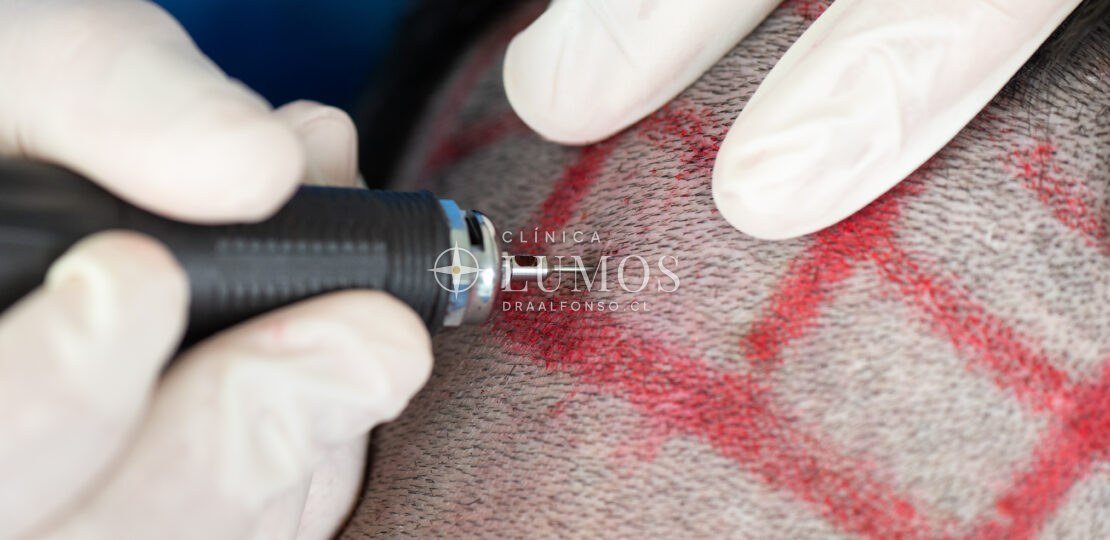

Hair Transplant in Chile or Turkey? What You Should Consider
October 23, 2026 · By Dr. Evelyn Alfonso
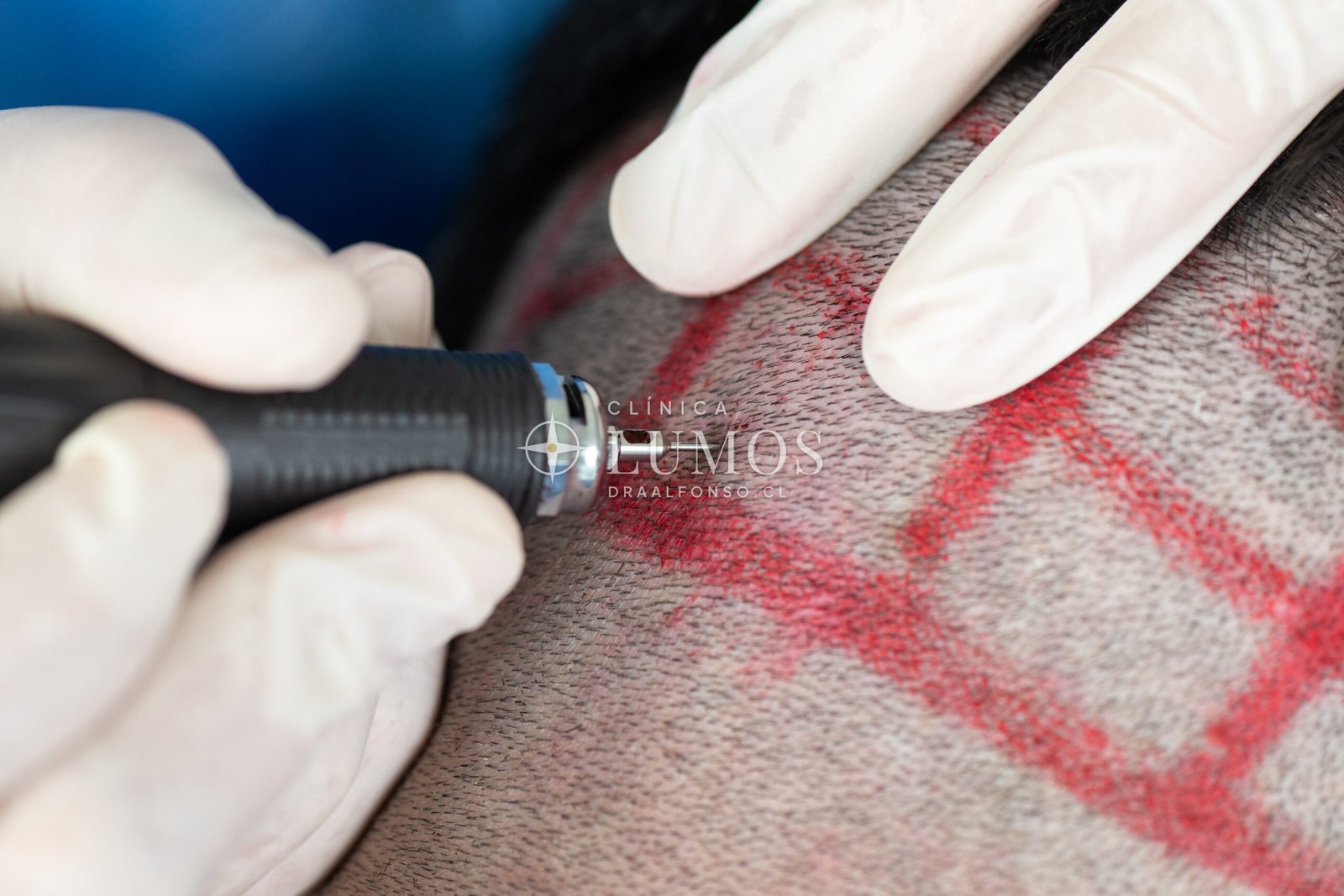
Turkey became famous as a hair transplant destination, and many patients ask us whether it is worth traveling there. We want to answer honestly: Turkey has excellent surgeons —in fact, Dr. Alfonso trained in the FUE technique in Turkey, Italy and Barcelona—, but having surgery far from home involves considerations worth knowing before you buy a plane ticket.
This article is not meant to convince you to have surgery with us, but to give you a clear list of questions so you can compare any clinic, in any country, using the same criteria. If you ultimately decide to travel, let it be an informed decision.
Why Turkey became such a popular destination
There are real reasons behind Istanbul’s fame. The country has a huge number of clinics dedicated almost exclusively to hair transplants, with a lot of accumulated experience in the FUE technique. Add to that packages that include surgery, hotel and transfers, and prices that, on paper, may look lower than in other countries.
The problem is that this very success attracted centers of very uneven quality. Top-tier surgeons coexist with high-volume clinics that operate on many patients per day, with teams where the doctor takes little or no part. From the outside, on a website or on Instagram, both can look the same. That is why the useful question is not “Chile or Turkey?” but “does this particular clinic meet my needs?”.
1. Who performs your surgery?
The International Society of Hair Restoration Surgery (ISHRS) has warned about high-volume clinics where parts of the surgery are performed by technicians without medical training. Before choosing, in any country, confirm who does the extraction, who opens the channels and who implants.
This matters because a hair transplant is surgery. Follicle extraction determines how much the donor area is damaged; channel opening determines the angle, direction and density of the new hair, that is, how natural it will look. These are medical and artistic decisions that should not be fully delegated.
Questions you can ask in writing
- What is the name of the doctor who will operate on me, and where can I verify their credentials?
- Which stages of the surgery does the doctor perform personally?
- How many patients does that clinic operate on the same day?
- Will the same doctor evaluate me before surgery, or only a sales advisor?
If the answers are vague or change depending on who replies, that is a red flag. At Clínica Lumos, Dr. Evelyn Alfonso evaluates you personally and leads every procedure.
2. Follow-up visits and aftercare
The transplant does not end on the day of surgery: the final result is seen between 10 and 12 months. During that time, questions may come up, a temporary shedding (shock loss) may occur, or you may need a complementary treatment. Having your doctor within a reasonable distance makes in-person check-ups with photos and trichoscopy easier.
Typical follow-up includes checking healing in the first few days, accompanying the shedding of the implanted hair between the second and fourth week, assessing initial growth at 3 or 4 months, and comparing standardized photographs up to one year. Several of these stages can be handled through photos or video calls, but when something looks different than expected, being able to examine the scalp in person makes the difference.
You also need to think beyond the first year. Androgenetic alopecia usually keeps progressing in the hair that was not transplanted, so many patients need maintenance treatment or, years later, a second session. Having an ongoing medical relationship with someone who knows your case, your donor area and your original design is an advantage that is hard to replace.
3. Travel and recovery
Having surgery on another continent means planning more than the surgery itself:
- A long flight a few days after surgery, with the newly implanted area.
- Days of lodging far from home.
- Few options to come back if something worries you.
The first days are the most delicate: the grafts are still settling and the area may be swollen. A trip of many hours, with pressure changes, airplane headrests, security checks and luggage, calls for extra care. It is not impossible —many people do it—, but it is worth discussing with your surgeon and knowing exactly what to do and what not to do.
From Santiago, Viña del Mar is about 1 h 30 away: many patients travel the same day. See how we organize it for patients from Santiago and from other regions.
4. The total price
When comparing, add up flights, lodging, days off work and what it costs to go back if you need a check-up. Read what influences the price of a hair transplant.
A useful exercise is to build a simple spreadsheet with two columns and fill each row with real numbers:
- Surgery: is the price per session or per number of follicular units? How many are you promised and how are they counted?
- Travel: flights for you and, if applicable, a companion.
- Stay: hotel nights before and after the procedure.
- Time: workdays you will miss, including travel.
- Medications and care: are post-operative supplies included?
- Unexpected events: what happens if you need an in-person check-up or a touch-up? Who covers it?
Often the final difference is smaller than it first seems, and in some cases it is reversed. What matters is comparing like with like.
5. Safety and accountability
In Chile you can verify that the operating room is authorized by the SEREMI de Salud (regional health authority) and you have your clinic close by in case anything happens.
Serious complications in a properly indicated hair transplant are uncommon, but they do exist: infections, folliculitis, poor healing or an unnatural result. When they occur, the quality of the surgery matters as much as the ability to respond quickly. It is also worth knowing which legal framework protects you as a patient and where you could file a complaint if something goes wrong; in another country, that path is usually longer and more difficult.
6. Design and expectations
A good transplant is not measured by the number of follicles, but by how natural it looks in five or ten years. A hairline that is too low or too straight may look good at first and end up out of place as hair loss progresses. That is why the design must take into account your age, the shape of your face, your hair type and the real reserve of your donor area.
Be wary of promises like “full density in a single session” or quotes that offer you a number of follicles without having examined your scalp. A serious evaluation will also tell you when it is not advisable to have surgery yet.
What a good pre-surgery evaluation looks like
Regardless of the country, a serious evaluation should include at least these steps:
- Medical history: how long you have been losing hair, family history, medications, illnesses and previous treatments.
- Diagnosis of the type of alopecia: not all hair loss is treated with surgery. Active alopecia areata or telogen effluvium, for example, require a different approach.
- Donor area assessment: density, hair thickness and how many follicles can be extracted without leaving the area visibly thinned.
- Trichoscopy: a magnified image of the scalp that allows measuring miniaturization and comparing progress over time.
- Long-term plan: what will be done with your native hair so the result lasts.
At Clínica Lumos this evaluation is performed by Dr. Alfonso with AI-powered trichoscopy, and throughout your treatment you have direct contact with the clinic via WhatsApp.
Red flags, wherever you are
- They give you a price and a date without a medical evaluation, based on just a couple of photos.
- You cannot find out the name of the doctor who will operate on you.
- They pressure you with “limited spots” or discounts that expire within hours.
- They promise a very high number of follicles without discussing the limits of your donor area.
- There is no clear follow-up plan after surgery.
- They do not explain the risks or give you an informed consent form.
Frequently asked questions
Is it cheaper to have surgery in Turkey?
The price of the surgery may be lower, but once you add travel, lodging, days off work and possible check-ups, the difference usually shrinks. Compare the total cost, not just the price of the surgery.
Is the FUE technique the same everywhere?
The principle is the same, but the result depends greatly on who performs it, how the follicles are extracted, how the channels are opened, and the design. Two FUE surgeries can have very different results.
Can I have my follow-up visits in Chile if I have surgery abroad?
Yes, you can see a specialist in Chile, but they will not know your surgery in the same detail as the person who operated on you. If you travel, ask for a written report of the procedure: technique, number of follicular units and areas treated.
How long should I stay if I travel for surgery?
It depends on each clinic, but it is generally recommended to stay at least for the first few days, for the first wash and check-up. Ask exactly what that period includes.
What should I do if I already had surgery in another country and I am not satisfied?
In many cases the result can be improved, depending on how much reserve is left in the donor area. The first step is an evaluation with trichoscopy to see what can be done.
Our recommendation
Wherever you choose, do not decide on price alone: check who operates, where, and what the follow-up will be like. If you want an honest evaluation of your case, book with Dr. Alfonso.
Source: ISHRS, Fight the FIGHT campaign. This information is educational and does not replace a medical evaluation.
Trasplante Capilar y Liposucción en Viña del Mar, Valparaiso
Keep reading
Most read
RELATED POSTS
View all


Types of alopecia: how to tell what type of hair loss you have
October 20, 2026 | by Dra. Evelyn Alfonso

Where does Chile rank in the world baldness ranking?
October 23, 2026 | by Dra. Evelyn Alfonso
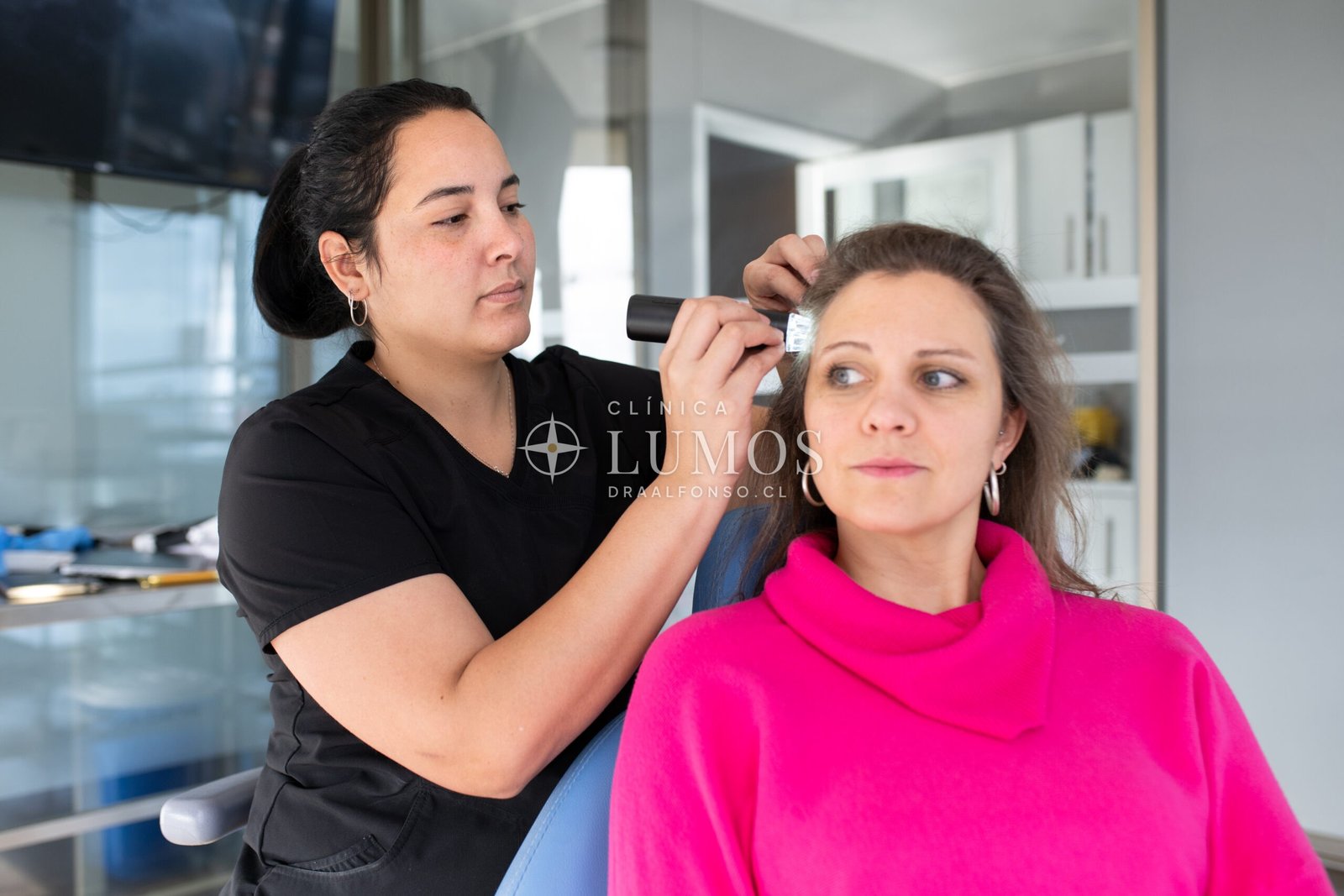
Can hair density be improved without a transplant?
October 23, 2026 | by Dra. Evelyn Alfonso
Comments (0)
No comments yet. Be the first to ask!