

Shock Loss: Temporary Shedding After a Hair Transplant
October 23, 2026 | by Dra. Evelyn Alfonso

Shock Loss: Temporary Shedding After a Hair Transplant
October 23, 2026 · By Dr. Evelyn Alfonso
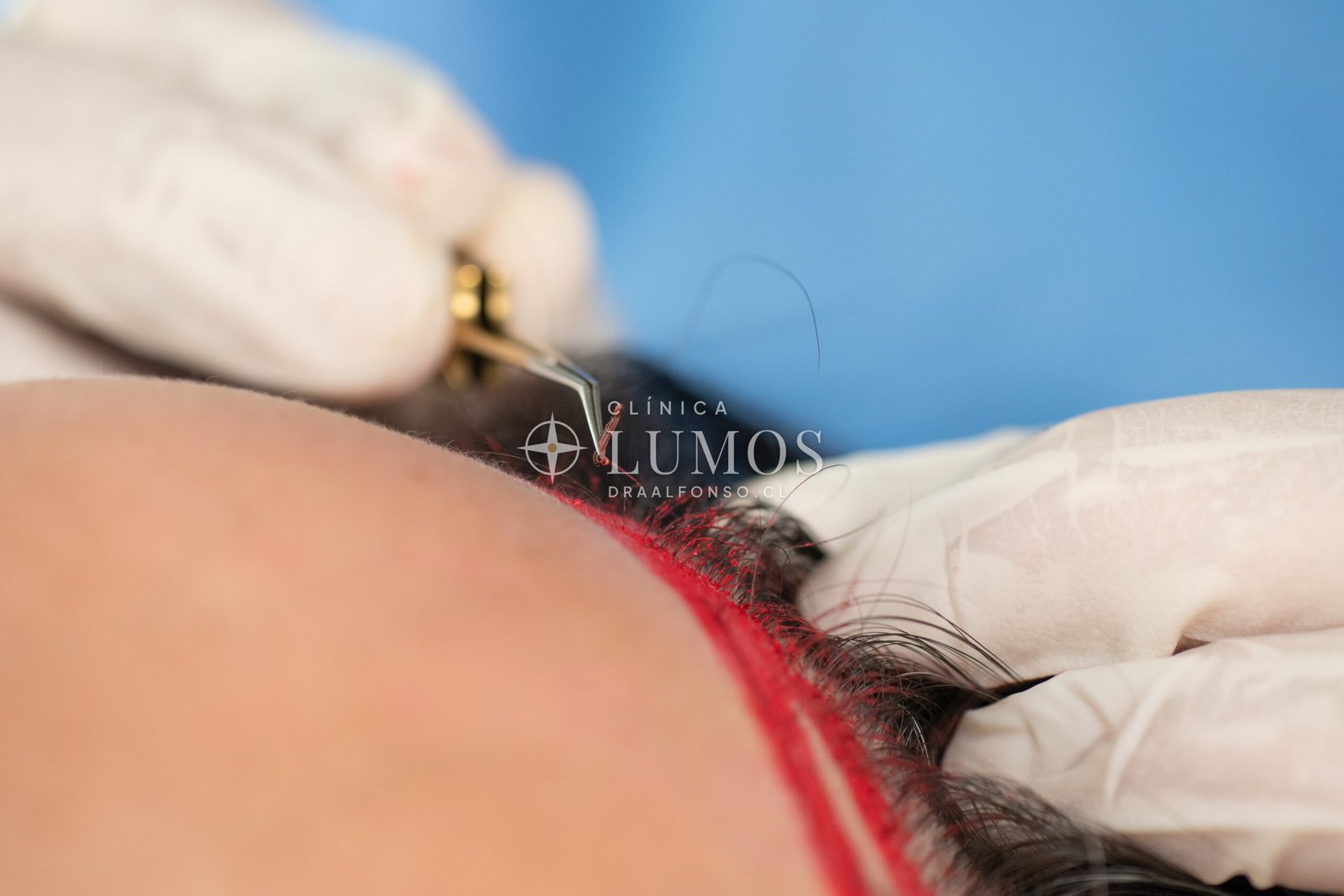
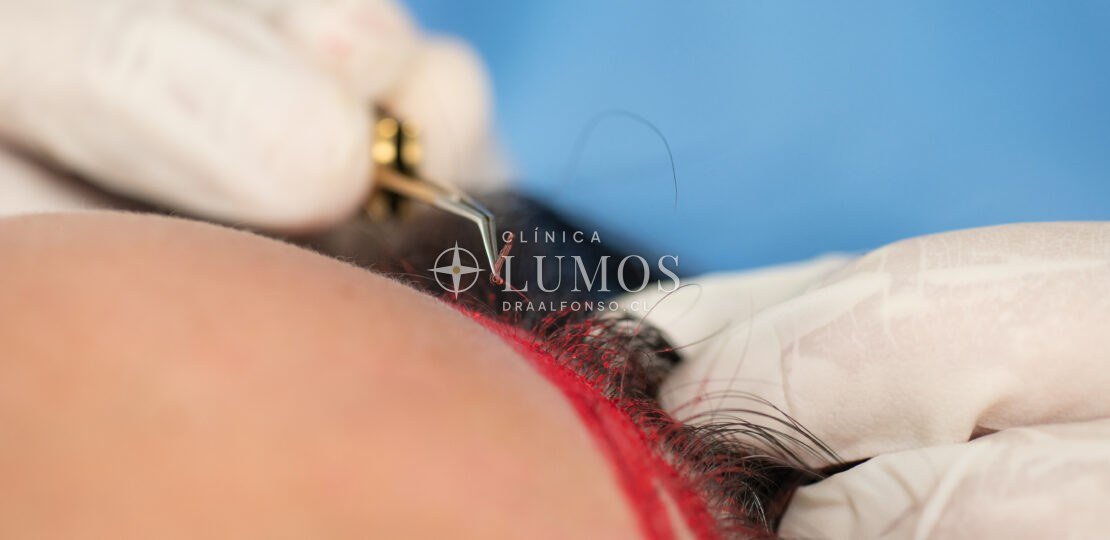
A few weeks after a hair transplant, some patients notice they are losing hair, including hair they already had. It is normal to be alarmed, but in most cases it is shock loss, a temporary shedding.
In this article we explain what it is, why it happens, how long it lasts, how it differs from the normal shedding of implanted hair and what can be done to reduce the risk. The idea is that, if it happens to you, you can recognize it and go through it more calmly.
Two different types of shedding
After a transplant, two different phenomena can occur, and it is important not to confuse them:
- Shedding of implanted hair: between the 2nd and 4th week, most of the transplanted hairs fall out. The follicle remains and new hair starts to grow from 3 to 4 months. It happens to almost all patients.
- Shock loss: temporary shedding of native hair, the hair you already had, around the implanted area or, sometimes, in the donor area. It does not happen to everyone.
The first is part of the process and is always expected. The second is less predictable: some patients do not experience it, others barely notice it and a few notice it quite a bit, especially if they came in with a lot of weakened hair.
Why does it happen?
Surgery is a stimulus for the scalp: anesthesia, channel opening and inflammation can cause some nearby follicles to enter their resting phase early and release their hair.
The hair cycle, in simple terms
Each hair goes through three phases: a growth phase (anagen), which lasts years; a short transition phase (catagen); and a resting phase (telogen), which lasts a few months and ends with the hair falling out so a new one can grow. Normally, each follicle is in a different phase, which is why we lose some hairs every day without noticing.
A strong stimulus —surgery, a high fever, intense stress— can “synchronize” many follicles and push them into the resting phase together. Weeks later, they all release their hair at the same time and the shedding becomes visible. That is, in essence, shock loss: a localized effluvium triggered by surgery.
Who is at higher risk?
- Patients with a lot of miniaturized native hair in the area to be implanted.
- Surgeries in which grafts are implanted between existing hair to increase density.
- Women with diffuse alopecia, in whom native hair is usually more scattered among the grafts.
- Patients who come to surgery without having treated their hair loss.
How long does it last?
In general it is temporary: the hair usually grows back in the following months, at the same pace as the implanted hair. Hairs that were already very weakened (miniaturized) by alopecia may not recover, because they were on their way to falling out anyway.
An approximate timeline:
- Weeks 2 to 8: shedding of native hair appears, sometimes together with that of the implanted hair.
- Months 3 to 4: both the transplanted hair and the native hair that went into the resting phase begin to grow.
- Months 6 to 12: density recovers and the result can be seen. This is the stage when photos and trichoscopy are used to assess whether any area needs support.
Can it be prevented?
It cannot always be avoided completely, but its likelihood and intensity can be reduced:
- A prior evaluation with trichoscopy shows how much native hair is weakened.
- A Hair Protocol before and after surgery helps strengthen and protect the native hair.
- A careful technique that respects existing hair when opening the channels.
- Following post-operative care and attending follow-up visits.
- Not smoking before or after surgery, because tobacco affects scalp circulation.
Shock loss in women
In women, alopecia is usually diffuse: the hair thins across the entire top of the head, but without completely bald areas. That means the grafts are implanted among a lot of native hair, and therefore more follicles are exposed to the stimulus of surgery. That is why, in female patients, special care is taken with the prior diagnosis, with preparing the scalp with treatment before surgery and with clearly explaining that there may be a stage of lower density before improvement.
In addition, in women it is advisable to rule out other causes of hair loss that may add up, such as hormonal changes, nutritional deficiencies or thyroid disorders. Treating those causes improves both the result of the surgery and the recovery from any shock loss.
Shock loss, effluvium and alopecia: how to tell them apart
- Shock loss: appears weeks after surgery, near the treated area or in the donor area, and is temporary.
- Telogen effluvium: diffuse shedding over the whole head, which usually appears two or three months after an event such as an illness, high fever, childbirth or intense stress. It is also temporary, but it is not directly related to the operated area.
- Progression of androgenetic alopecia: it is slow and progressive, in the typical pattern of receding temples, crown or top of the head, and does not recover on its own.
- Alopecia areata: round bald patches that appear more suddenly. It requires a different treatment.
Telling them apart with the naked eye is not always easy. At follow-up visits, trichoscopy makes it possible to see whether the emerging hairs are new and healthy, whether there is miniaturization or whether signs of another condition appear.
How we assess it at follow-up visits
During follow-up we compare standardized photographs and scalp measurements with those from your initial evaluation. This way we can confirm whether it is shock loss, how much native hair is recovering and whether your maintenance treatment should be adjusted. Having objective data helps a lot with the patient’s peace of mind: instead of “it seems like I’m losing more hair,” you can clearly see how each area is progressing.
Shock loss in the donor area
Less frequently, shock loss appears in the area from which the follicles were extracted. It shows up as an area where the hair looks thinner than expected a few weeks later. As in the recipient area, it usually recovers in the following months. If it happens to you, a slightly longer haircut at the back helps conceal it while it grows back.
How to go through this stage calmly
- Get informed beforehand: knowing it can happen greatly reduces anxiety.
- Photograph your progress with the same lighting and the same angle every month, instead of checking yourself daily in the mirror.
- Use concealment strategies: once your doctor approves it, hairstyles, loose caps or a suitable haircut help during the transition months.
- Do not stop your treatment without consulting: it is precisely what protects your native hair.
- Ask: if something does not seem right, get in touch. It is better to ask about something that turns out to be normal than to be left wondering.
When to see a doctor
If the shedding worries you, is very extensive or appears with pain, redness or discharge, get in touch. You have direct contact with the clinic via WhatsApp throughout your treatment. Also read does a hair transplant fall out?
You should also get checked if the shedding appears in areas far from the surgery or as round patches, or if after several months you see no recovery. Those cases may be due to another cause, such as alopecia areata or effluvium for another reason, and require evaluation.
Frequently asked questions
How much hair can be lost due to shock loss?
It varies a lot between patients. In most it is mild and noticeable only when compared with photos; in some cases it is more evident for a few weeks. What matters is that, in general, it is temporary and is monitored at follow-up visits.
Does shock loss mean the transplant failed?
No. Shock loss affects native hair and has nothing to do with graft survival. The transplanted hair follows its own growth timeline.
Do all patients get shock loss?
No. Shedding of implanted hair happens to almost everyone; shock loss happens only to some, with varying intensity.
Does hair lost to shock loss always come back?
In most cases, yes. Hairs that were already very miniaturized by alopecia may not recover, but those would have been lost over time anyway.
Can I do anything to make it come back faster?
Following your prescribed treatment, taking care of your general health and adhering to post-operative care is what helps most. Be wary of products that promise immediate results.
Can it happen in a second transplant?
Yes, it can occur with any surgery. That is why treating the native hair before surgery is just as important in a second session.
In summary
Shock loss is a temporary shedding of native hair caused by the stimulus of surgery. It usually recovers between 3 and 12 months, can be reduced with a good diagnosis and prior treatment, and does not affect transplanted hair. See what the month-by-month progression looks like in after a hair transplant or book your evaluation with Dr. Alfonso in Viña del Mar.
This information is educational and does not replace a medical evaluation.
Trasplante Capilar y Liposucción en Viña del Mar, Valparaiso
Keep reading
Most read
RELATED POSTS
View all

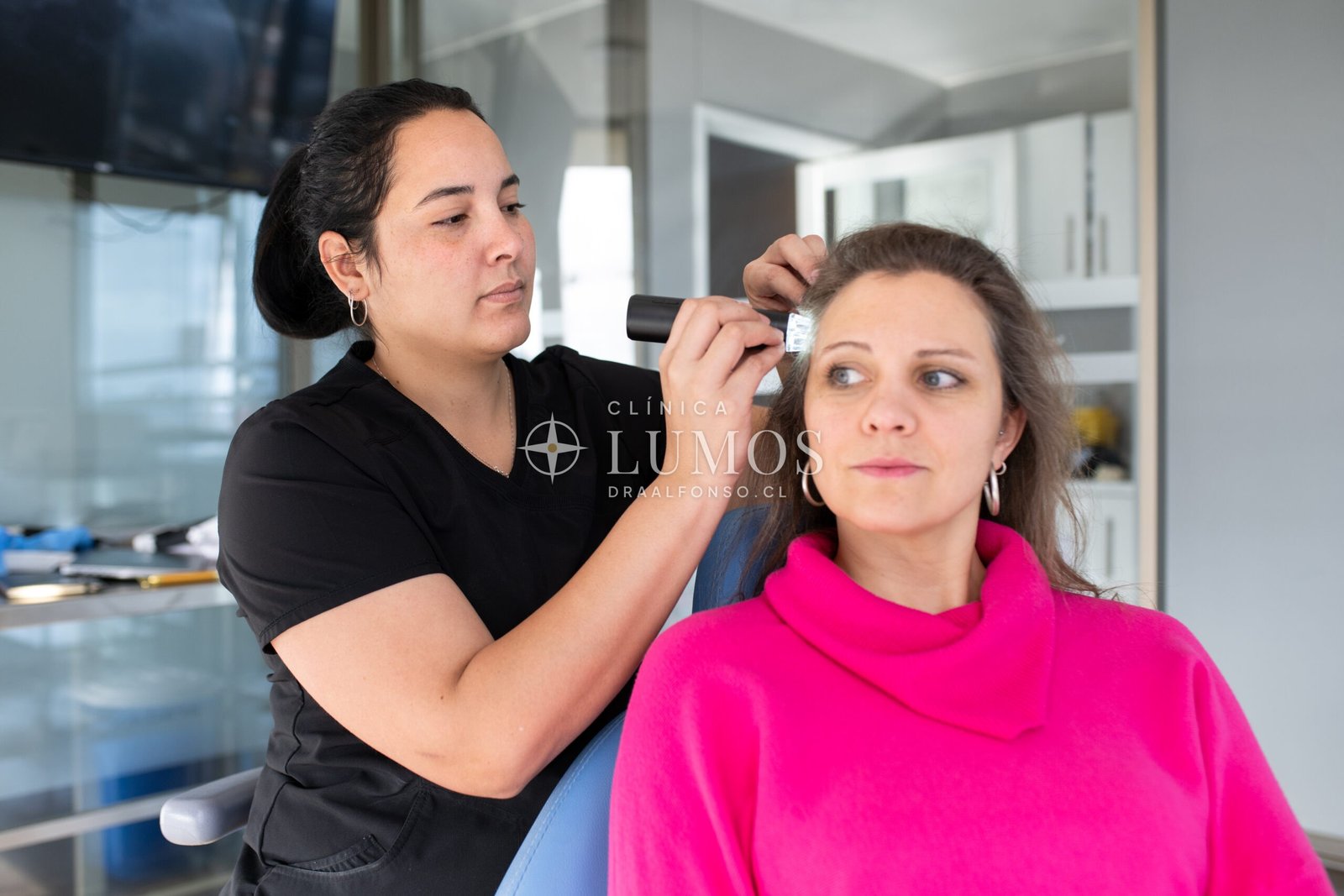
Seeing hair in the shower or bathroom? What to do if your hair is falling out
October 23, 2026 | by Dra. Evelyn Alfonso
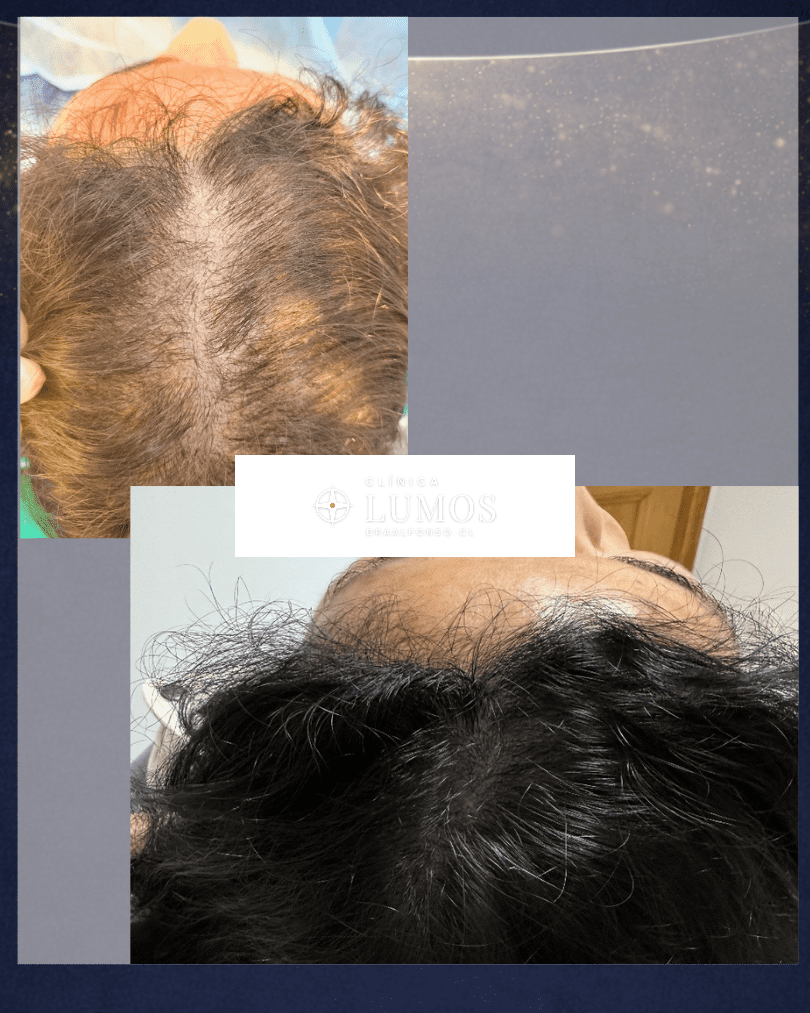
Female hair transplant: a case one year after the procedure
October 23, 2026 | by Dra. Evelyn Alfonso

How to Wash Your Head After a Hair Transplant, Step by Step
October 23, 2026 | by Dra. Evelyn Alfonso
Comments (0)
No comments yet. Be the first to ask!