

Blog
Artículos de la Dra. Evelyn Alfonso sobre trasplante capilar, LipoVaser y medicina estética en Viña del Mar.
Most read
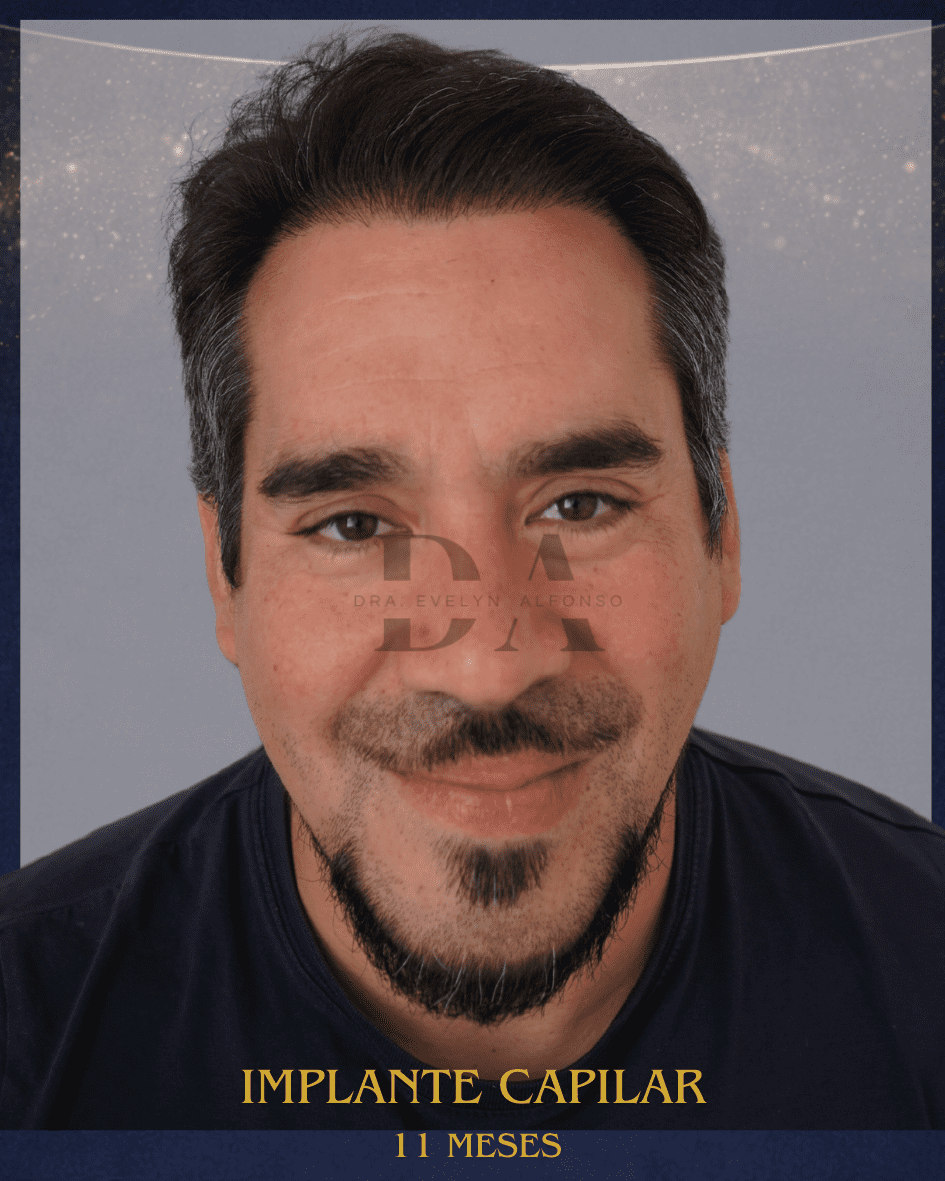
Does a Hair Transplant Fall Out? Is It Long-Lasting?
October 23, 2026 | by Dra. Evelyn Alfonso
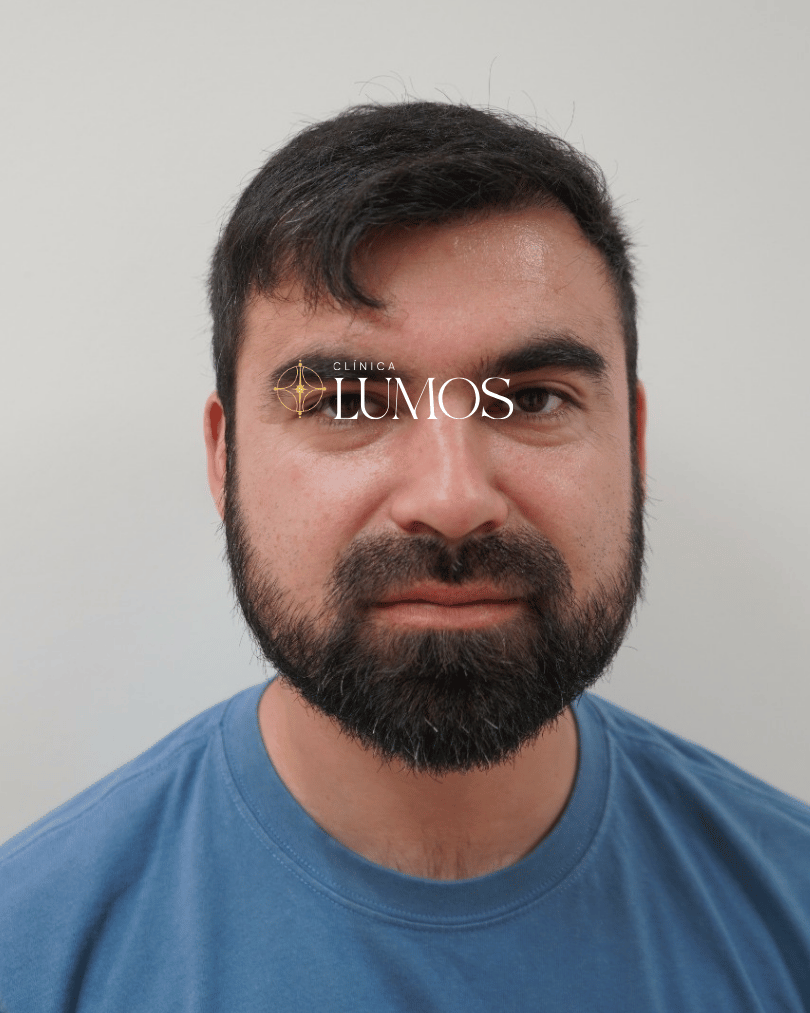
How to Wash Your Head After a Hair Transplant, Step by Step
October 23, 2026 | by Dra. Evelyn Alfonso
Seeing hair in the shower or bathroom? What to do if your hair is falling out
October 23, 2026 | by Dra. Evelyn Alfonso
Where does Chile rank in the world baldness ranking?
October 23, 2026 | by Dra. Evelyn Alfonso
Alopecia in women: causes, signs and treatment options
October 22, 2026 | by Dra. Evelyn Alfonso

How to Prepare for LipoVaser Liposuction: A Pre-Surgery Guide
October 22, 2026 | by Dra. Evelyn Alfonso

Does Liposuction Help You Lose Weight? Myths and Facts
October 22, 2026 | by Dra. Evelyn Alfonso
After a hair transplant: what to expect from day 1 to month 12
October 22, 2026 | by Dra. Evelyn Alfonso



After a hair transplant: what to expect from day 1 to month 12
October 22, 2026 · By Dr. Evelyn Alfonso
A hair transplant is a process, not an immediate result. Knowing what to expect at each stage helps you go through it with peace of mind. These are the usual timeframes; your progress may vary.
What happens to your scalp after surgery
In an FUE hair transplant, follicular units are extracted from the donor area, usually the back and sides of the head, and implanted one by one in the areas with less density. Each graft sits in a small incision. During the first few days the skin heals around the graft and the follicle becomes integrated into the blood supply of the recipient area.
What many people do not know is that the hair you see right after implantation is not the hair that stays. The follicle, which is the “root”, is what matters: after surgery it usually enters a resting phase, sheds the hair shaft and then starts producing a new hair. That is why the result builds up over months, not days. If you want to understand why there is no immediate result, read does a hair transplant give immediate results?
Days 1 to 3
It is normal for the recipient area to have small scabs, some redness and mild swelling on the forehead. Follow to the letter the instructions on washing, sleeping position and care that the team gives you.
Tips for these first days:
- Wash your head exactly as you were taught, without rubbing the implanted area. We show you how in how to wash your head after a hair transplant.
- Do not scratch or pick at scabs, even if they itch.
- Avoid tight hats, direct sun and intense exercise.
- If the swelling moves down toward your forehead or eyes, it is usually temporary, but mention it at your follow-up visit.
At Clínica Lumos you have direct contact via WhatsApp during treatment, so you can clear up any doubts about what you see in the mirror without waiting for the next follow-up visit.
Days 7 to 14
The scabs come off with the prescribed washes and the redness gradually decreases. Most people return to their usual routine within a few days, avoiding intense exercise until they are told otherwise.
At this stage the donor area also heals. The small extraction points become covered by hair as it grows. It is a good time to gradually return to your work and social routine, always following the instructions you received.
Weeks 2 to 8: shedding of the transplanted hair
This is the stage that worries people the most, and it is completely expected: much of the transplanted hair falls out (what is known as shock loss). The follicle stays implanted and at rest, getting ready to produce a new hair.
It is normal to feel that “everything was lost” during these weeks, because your appearance may look similar to before surgery. Remember that the follicle is still there. Some native hair near the implanted area may also fall out temporarily; it generally recovers over time. We explain it in detail in shock loss after a hair transplant.
During this period, small pimples may appear in the implanted area as the new hairs start to come through. They are usually mild, but if they increase, hurt or look infected, get in touch.
Months 3 to 4
The first new hairs start to come in, thin and sometimes uneven. It is normal not to see a big change at first.
At this stage it is best not to compare yourself in the mirror every day. Growth is not even: some areas progress sooner than others and the first hairs may look thinner, wavy or with a different texture. Over the months, they generally even out.
Months 6 to 8
The change starts to show: the hair gains thickness and density. Many people see a clear improvement at this point.
To appreciate the progress, it helps to take photos with the same lighting and the same angle from time to time. That way you can compare with data and not just your impression of the day. From here on you can cut and style your hair more freely, as long as your doctor has approved it.
Months 12 to 18
The final result is reached in most cases. At the crown, progress may be somewhat slower.
When you reach the final result, it is a good time for a follow-up with your doctor: review the density achieved, how the hairline has blended in and the condition of your native hair. If you want to know why the result is long-lasting, read does a hair transplant fall out or is it long-lasting?
What about the hair that was not transplanted?
A transplant does not stop alopecia in the native follicles. That is why it is often complemented with medical treatment or with our Hair Protocol to protect the result in the long term.
Summary of the progress, stage by stage
- First days: scabs, redness and mild swelling. Strict washing and rest care.
- First weeks: the scabs come off and you gradually return to your routine.
- Following weeks: much of the transplanted hair falls out. This is expected.
- Months 3 to 4: the first new, thin hairs appear.
- Months 6 to 8: the change starts to show.
- Months 12 to 18: final result in most cases.
How to cope with the wait
The physical part of recovery is usually manageable; what many people find hardest is the wait. Between the temporary shedding and the first new hairs there are months when the mirror does not show much progress, and it is easy to get discouraged or doubt the surgery. Some ideas that help:
- Keep in mind from the start that the result is assessed at one year or more, not after a few weeks.
- Set dates for taking photos and compare them only at those times.
- If your appearance in the first few weeks makes you self-conscious, plan the surgery for a time when you have fewer social or work commitments.
- Use the follow-up visits and WhatsApp contact to clear up your doubts: asking questions is part of the process.
If you live outside Viña del Mar, arrange your follow-up visits in advance. Clínica Lumos is about 1 hour 30 minutes from Santiago, and many day-to-day questions can be resolved remotely by sending photos.
How to care for your result throughout the process
- Follow the instructions to the letter in the first few weeks: washing, sleeping position, sun and physical activity.
- Do not smoke, because tobacco affects circulation and healing.
- Attend your follow-up visits, even if you feel fine. They are how we confirm that everything is progressing as expected.
- Take care of your native hair with the treatment your doctor prescribes.
- Be patient: the result is measured in months. Comparing yourself every day only creates anxiety.
- Protect your scalp from the sun during the first few months, as instructed.
Myths about hair transplant progress
“If the transplanted hair falls out, the surgery failed”
No. The shedding in the following weeks is a normal part of the process. The follicle stays implanted and produces hair again.
“You can see the result as soon as you leave surgery”
What you see when you leave is the short implanted hair, most of which will fall out. The real result builds up over the months.
“If I see no change at 4 months, it is not going to grow”
It is an early stage. The first hairs are thin and sparse; the most obvious change is usually noticed later.
“With a transplant, my hair will never fall out again”
Transplanted hair is long-lasting, but native hair may continue to thin. That is why it is cared for with medical treatment when appropriate.
Warning signs: when to get in touch before your follow-up visit
- Redness or warmth that increases instead of decreasing.
- Discharge, pus or a bad smell in the implanted or donor area.
- Pain that keeps increasing or does not ease with what was prescribed.
- Fever or general malaise.
- Bleeding that does not stop with gentle pressure.
- Numerous pimples that are painful or look infected.
If you notice any of these signs, message your care team. It is better to ask about something that turns out to be normal than to be left wondering.
Frequently asked questions
When can I go back to work?
Most people return to their usual routine within a few days, although it depends on the type of work you do and how much you mind it being noticeable. Discuss your case with your doctor before surgery.
When can I exercise?
Intense exercise is avoided during the first few weeks, until your doctor says otherwise. It is resumed gradually.
Why does the crown take longer?
At the crown, progress may be somewhat slower and the hair grows in a whorl pattern, which makes density look different. That is why its result is best assessed after more time.
Can I cut my hair while it is growing in?
Yes, when your doctor approves it. It is generally recommended to avoid using clippers directly on the implanted area during the first few months.
What if I am not happy with the density?
The first step is to wait for the full growth period. Afterwards, the result is assessed at the follow-up visit and, if appropriate, alternatives are discussed. If you had surgery at another clinic, see hair transplant repair.
In summary
After a hair transplant there is an expected sequence: scabs and redness at first, temporary shedding of the transplanted hair in the following weeks, the first new hairs around months 3 to 4 and a final result in most cases between months 12 and 18. With patience, good care and follow-up, the process is much less stressful. See real patient results and, if you want to know what it would look like in your case, book your evaluation with Dr. Evelyn Alfonso.
Still deciding whether to have surgery? Read Am I a candidate for a hair transplant?
This information is educational and does not replace a medical evaluation. Results vary from patient to patient.