

How to Prepare for LipoVaser Liposuction: A Pre-Surgery Guide
October 22, 2026 | by Dra. Evelyn Alfonso


How to Prepare for LipoVaser Liposuction: A Pre-Surgery Guide
October 22, 2026 · By Dr. Evelyn Alfonso
Good preparation makes surgery safer and recovery smoother. These are the usual steps before LipoVaser liposuction. Your case may have specific instructions, which will always be defined by the medical team.
Many people come to the consultation thinking that everything important happens in the operating room. In reality, a significant part of the result and of your post-op comfort is decided in the weeks before: how you arrive physically, what you share about your health, how you organize your home and work, and how clear your expectations are. In this guide we explain what is done, why it is done, and what you can do to arrive in the best possible condition.
Why preparation matters so much
Liposuction is surgery, even though LipoVaser uses a technique that is gentler on the tissues. Like any surgery, it involves anesthesia, a healing process and an inflammatory response from the body. When you arrive with your tests up to date, tobacco-free, with your medications reviewed and your recovery organized, the team can work more safely and you can focus on resting.
Preparation also serves a less visible purpose: setting your expectations. Liposuction is not a weight-loss method, but a way to improve body contour in areas with localized fat. If you want to dig deeper into this, we recommend reading myths about liposuction and weight loss before your evaluation.
1. Medical evaluation
Everything starts with a consultation in which the areas to be treated, skin quality, your weight, your health history and your expectations are reviewed. That is where the surgical plan is defined.
At Clínica Lumos, Dr. Evelyn Alfonso evaluates you personally and leads the procedure. In that consultation it is best to be completely honest. Some things you will be asked about, or that are worth mentioning:
- Current or past conditions, such as high blood pressure, diabetes, thyroid problems, clotting disorders or heart disease.
- Previous surgeries and anesthesia, and whether you had any complication or reaction.
- Allergies to medications, latex or other materials.
- Personal or family history of thrombosis.
- Recent weight changes, pregnancies, and whether you are planning a pregnancy soon.
- What exactly bothers you about each area and what you hope to achieve.
If you are not sure which areas could be treated in your case, you can first review the body areas that can be treated with LipoVaser. That way you arrive with specific questions.
Questions worth writing down beforehand
- Am I a good candidate for LipoVaser in these areas?
- What result is reasonable to expect with my skin type?
- What type of anesthesia will be used and roughly how long will the surgery take in my case?
- How many days of rest should I plan for, given my job?
- What compression garment do I need, and for how long?
- How do I contact the team if I have a question after surgery?
2. Pre-operative tests
Before setting the date, tests are requested to confirm that you can undergo surgery safely, such as blood tests and, depending on your age and history, an electrocardiogram or other studies.
These tests are not a formality: they make it possible to detect in time conditions such as anemia, clotting disorders or values that should be corrected before surgery. If a result comes back abnormal, the usual approach is to investigate or treat it first and reschedule the date. That is good news, not a delay: it means the process is working as it should. At Clínica Lumos you can have your pre-operative tests done at the clinic itself, which greatly simplifies logistics.
Tips for your tests
- Ask whether any of them require fasting, and for how many hours.
- Bring or send them in good time, so they can be reviewed before the date is confirmed.
- If you have recent tests done for other reasons, mention it: the team will tell you whether they can be used or need to be repeated.
3. Medications and supplements
Disclose all the medications and supplements you take. Some of them—such as certain anti-inflammatories, aspirin or supplements that affect clotting—may need to be stopped days before, always as directed by your doctor. Do not stop or start anything on your own.
This includes everything, even if it seems irrelevant: contraceptives, hormone treatments, antidepressants, blood pressure medication, natural products, teas, vitamins, collagen or sports supplements. Some products that are perceived as harmless can affect bleeding or interact with anesthesia. The most practical approach is to make a list with the name of each product and bring it to the consultation, or take a photo of the packaging.
If you take a medication for a chronic condition, you most likely should not stop it, or it will be adjusted in coordination with your treating physician. That is why it is so important not to make decisions on your own.
4. Tobacco and alcohol
Smoking affects circulation and healing. Ideally, you should stop smoking several weeks before and after surgery. It is also recommended to avoid alcohol in the days beforehand.
Tobacco reduces the oxygen that reaches the tissues, which can slow healing and increase the risk of complications. This includes cigarettes, vapes and other nicotine products. If you find it hard to quit, mention it at your evaluation: it is better to plan ahead than to arrive still smoking. We have an article dedicated to this topic: why it is important not to smoke before surgery.
Something similar happens with alcohol: it can promote dehydration and inflammation, and it should not be mixed with post-op medications. Arriving well hydrated and rested helps your body respond better.
Diet, hydration and physical activity
You do not need a special diet to have surgery, but it does help to arrive with healthy habits. A varied diet with protein, fruit and vegetables, and good hydration in the weeks before, support recovery. This is not the time for extreme diets or prolonged fasting on your own: your body needs reserves to heal.
Keeping a stable weight before surgery is also important, because the plan is designed around your current contour. If you are in the middle of losing weight, it may be better to wait until it stabilizes. You can find more details in our guide on diet before and after liposuction.
If you exercise, you can keep it up in the weeks before, unless instructed otherwise. Arriving in good physical condition usually makes it easier to get moving early after surgery.
5. Prepare for your recovery
- Have the recommended compression garment ready.
- Arrange for someone to take you home on the day of surgery.
- Plan a few days of relative rest from work.
- Prepare comfortable, loose clothing and simple meals for the first few days.
- Schedule your post-operative check-ups.
A few extra details that often make a difference in practice:
- Prepare your resting area: cushions to get comfortable, a protector or towels over the mattress or armchair, and the things you will use most within reach.
- Easy-to-wear clothing: garments that open at the front and shoes without laces, because bending down can be uncomfortable for the first few days.
- Water within reach: hydration is part of the post-op.
- Prescribed medications: if you are given a prescription before surgery, buy everything in advance so you do not have to go out afterwards.
- If you have young children or pets: arrange help for the first few days, because you should not lift heavy things.
- If you are coming from another city: Clínica Lumos is in Viña del Mar, about 1 hour 30 minutes from Santiago. Plan your trip back, ideally with a companion and in comfort.
For the compression garment and care during the first weeks, see our guide on liposuction aftercare: compression garment and lymphatic drainage.
6. The day of surgery
Follow the fasting instructions given by the team, arrive in comfortable clothes, without makeup or jewelry, and with your test results. LipoVaser is performed in an operating room authorized by the SEREMI de Salud (regional health authority).
You can learn more about our operating room’s safety standards in safe clinic. Some recommendations for that day:
- Follow the fasting instructions exactly as given, including liquids. It is a safety measure for anesthesia.
- Avoid body creams, perfumes and nail polish, unless told otherwise.
- Bring your ID, your test results and your list of medications.
- If you wake up with a fever, a bad cold or another health problem, let the team know before going in. It may be necessary to reschedule.
- Before surgery, the areas to be treated are marked. It is a good time to clear up any last-minute questions.
Common myths before surgery
Losing weight quickly right before improves the result
Not necessarily. Sudden weight changes can alter the plan designed at the evaluation and leave you with fewer reserves to recover. It is best to arrive at a stable weight.
If I feel fine, I do not need tests
Many conditions have no symptoms. Tests exist precisely to detect what you cannot notice.
A natural supplement cannot affect surgery
Some natural products can affect clotting or interact with other medications. That is why all of them must be disclosed.
Signs to report before the date
Contact the team before your surgery if in the days beforehand you have:
- Fever, cough, a severe cold or any infection.
- Wounds, irritation or skin infections in the areas to be treated.
- A change in your medications prescribed by another doctor.
- A possible pregnancy.
- Pain or swelling in a calf, or shortness of breath.
Reporting in time is not a problem: it allows the best decision to be made for your safety.
Frequently asked questions
How far in advance should I start preparing?
Ideally, start as soon as you have your evaluation, especially if you smoke or take several medications. The team will give you the exact timelines for your case.
Can I have surgery if I have a chronic condition?
It depends on the condition and how well controlled it is. Many people with well-managed chronic conditions can have surgery, but it is always assessed case by case and, when appropriate, in coordination with your treating physician.
Do I have to buy the compression garment beforehand?
Yes, it is best to have it ready before surgery. The team will tell you the right type and size for the treated areas.
Can I go home alone?
It is not recommended. Arrange for someone to take you home and, if possible, to help you during the first few hours.
What happens if I catch a cold a few days before?
Let the team know. Depending on your symptoms, it may be necessary to reschedule the surgery so it can be done in the best conditions.
In summary
Preparing well for LipoVaser liposuction means arriving with a complete evaluation, up-to-date tests, reviewed medications, no tobacco and your recovery organized. Each step has a purpose: making surgery safer and your post-op smoother. If you have any questions, ask: during treatment you can contact the team directly via WhatsApp.
To learn what comes next, see Recovery after LipoVaser, week by week. If you want to know whether you are a candidate and what your preparation would look like, book your evaluation with Dr. Evelyn Alfonso.
This information is educational and does not replace a medical evaluation. Results vary from patient to patient.
Trasplante Capilar y Liposucción en Viña del Mar, Valparaiso
Keep reading
Most read
RELATED POSTS
View all

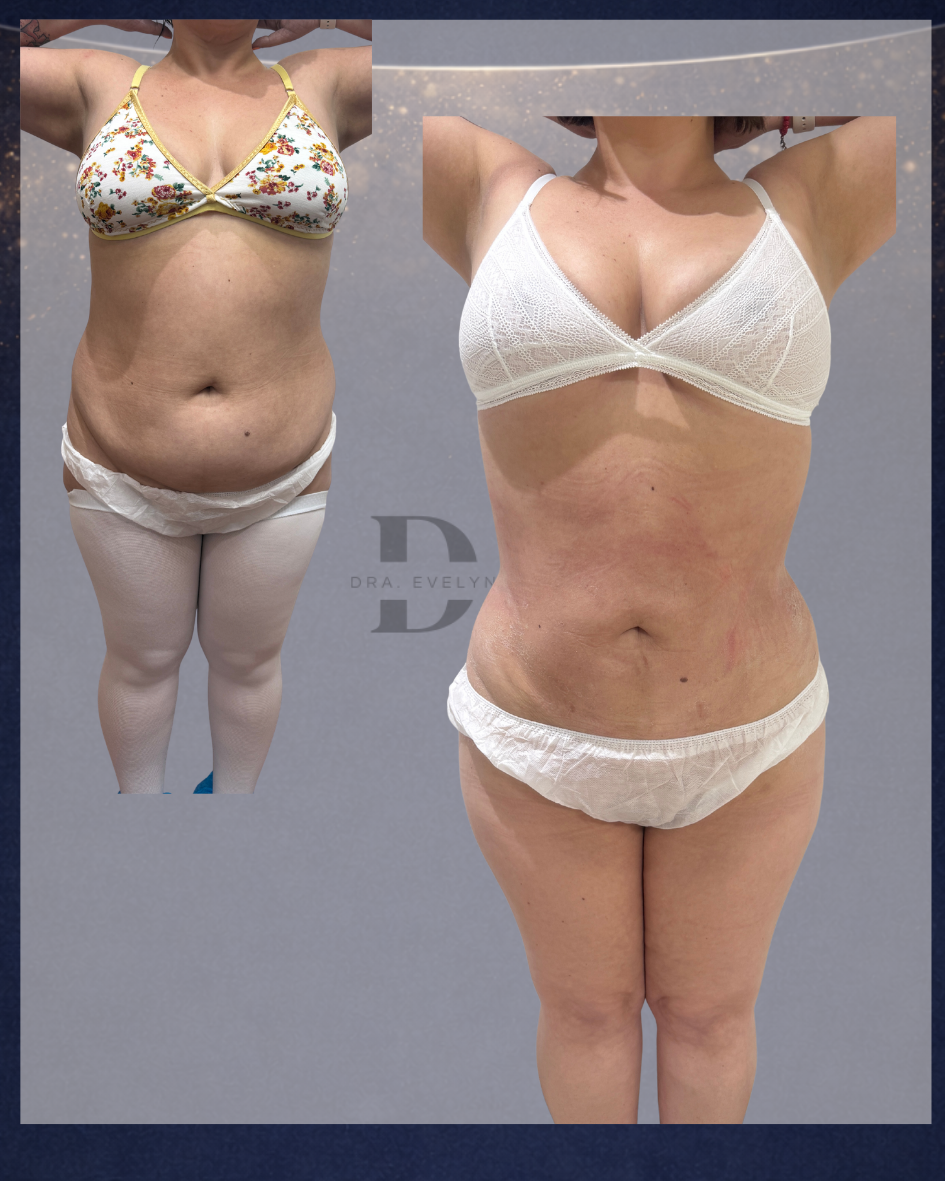
LipoVaser vs. Traditional Liposuction: Differences, Recovery and Ideal Candidates
October 16, 2026 | by Dra. Evelyn Alfonso
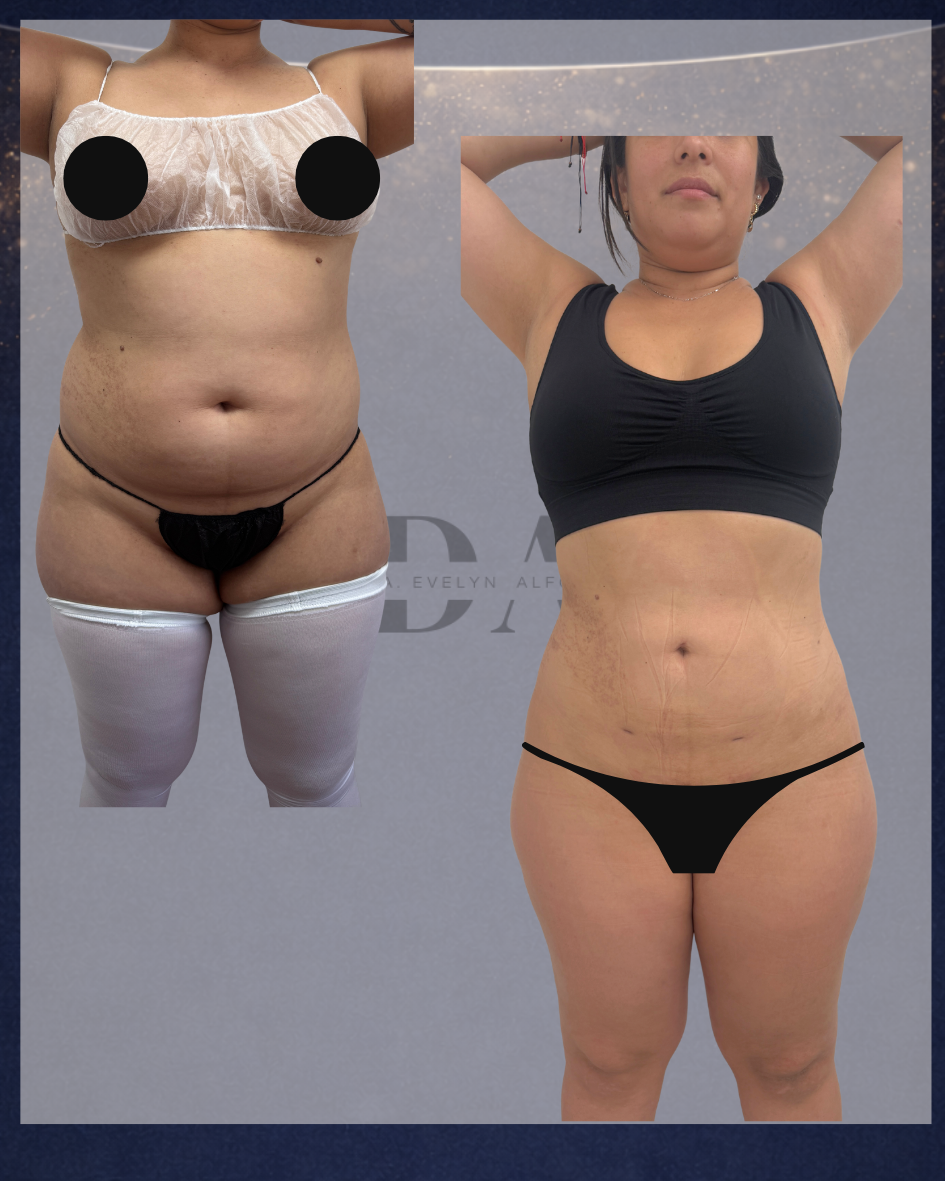
LipoVaser, LipoLaser and micro-aspiration: how we combine the techniques
October 23, 2026 | by Dra. Evelyn Alfonso

Flank and waist liposuction: results with LipoVaser
October 23, 2026 | by Dra. Evelyn Alfonso
Comments (0)
No comments yet. Be the first to ask!